
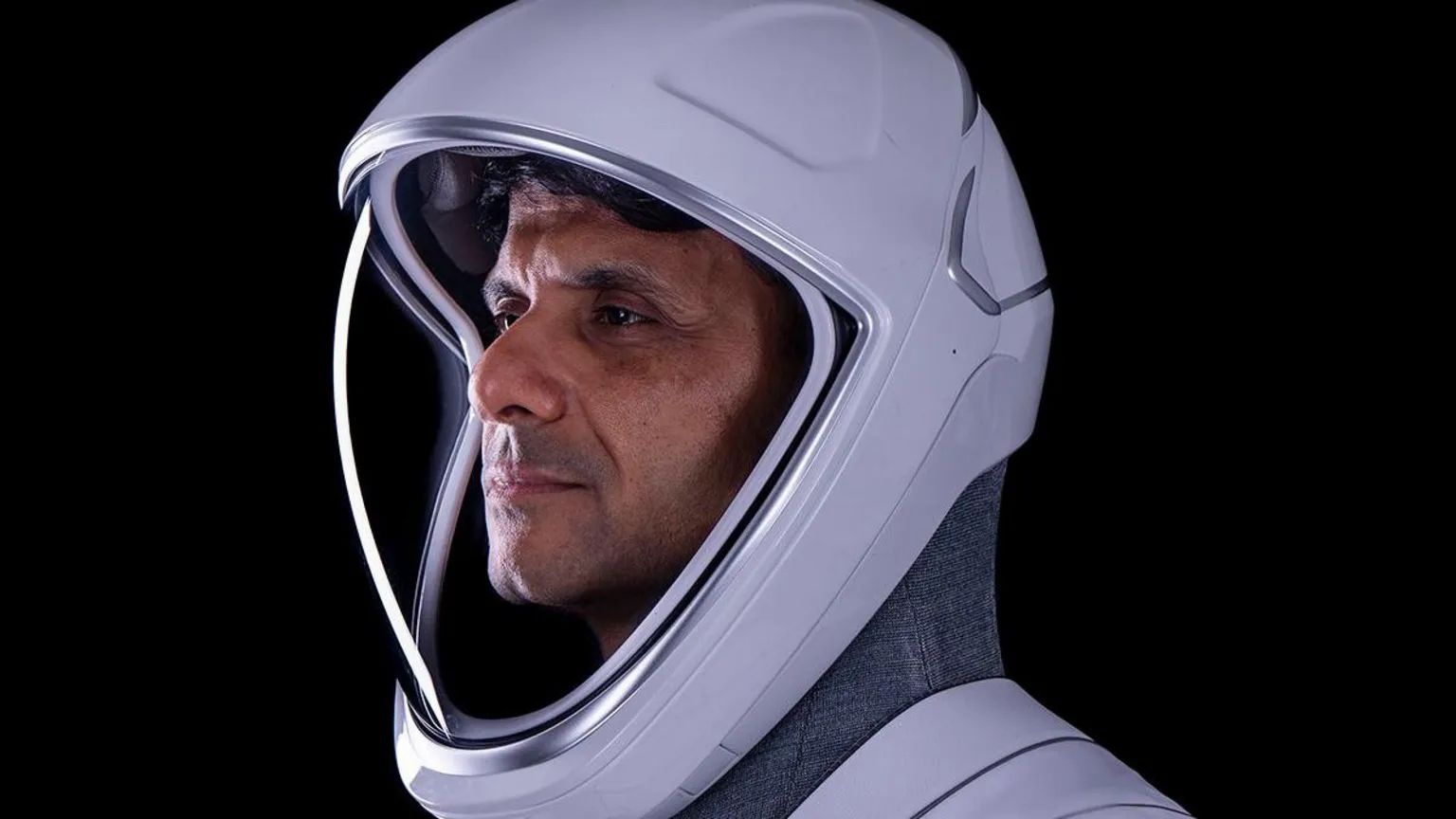

After making history as the first Indian astronaut to participate in a mission to the International Space Station (ISS), the nation’s latest space pioneer has completed a successful return to Earth. This journey, hailed as a milestone in India’s expanding space exploration efforts, reflects the country’s growing influence in global space collaboration and innovation.
The astronaut, whose mission was part of an international partnership involving leading space agencies, spent several days aboard the ISS, where he took part in a range of scientific experiments and operational activities. His return marks not only the safe conclusion of a landmark flight but also a symbolic step forward in India’s ambitions to engage more deeply in crewed space missions and orbital science.
The journey has garnered significant attention within India, where enthusiasm for space accomplishments has heightened in the past few years. From the triumphant Chandrayaan-3 lunar touchdown to advancements in satellite launch efforts, the Indian Space Research Organisation (ISRO) has gained more worldwide acknowledgment for its economically efficient and influential advancements in space exploration. Introducing a manned expedition—particularly one linked with the ISS—brings a fresh aspect to this collection and indicates India’s preparedness to become a major contributor to global space partnership.
During his time on the ISS, the Indian astronaut engaged in joint scientific studies, concentrating on the effects of microgravity on biological and physical systems. These investigations aim to enhance our knowledge of how prolonged space travel influences human physiology, material properties, and various processes essential for future deep-space explorations. Such insights are especially important as nations gear up for prolonged orbital missions and future travels to the Moon and Mars.
In addition to research duties, the astronaut also engaged in educational outreach, connecting with students in India via live video sessions from space. These moments, which captivated audiences nationwide, were designed to inspire interest in science, technology, engineering, and mathematics (STEM) fields among young people. The initiative has been praised for bringing the realities of spaceflight closer to everyday citizens and creating a sense of shared national pride in India’s scientific progress.
The preparation phase for this mission was comprehensive and included intense physical and technical readiness exercises. Before departure, the astronaut participated in collaborative training alongside international astronauts at locations in both the United States and Europe. This groundwork guaranteed seamless coordination with the space station’s current team and enabled significant engagement in intricate tasks during the mission.
India’s presence aboard the ISS comes amid broader discussions about the future of international space cooperation. With the ISS nearing the end of its operational life within the next decade, new platforms and partnerships are being considered to continue human activities in low-Earth orbit. India’s growing capabilities, both technical and human, position it as a valuable partner in these emerging frameworks. The experience gained from this mission could inform India’s contributions to upcoming initiatives such as NASA’s Lunar Gateway or other international orbital stations.
Back on Earth, the astronaut’s return involved a coordinated descent aboard a crewed capsule, which landed safely in a designated recovery zone. Medical teams were on standby to conduct post-landing evaluations and assist with the readjustment process, as returning astronauts typically require support while adapting to Earth’s gravity after prolonged exposure to microgravity conditions.
The safe landing was met with celebration across India, where government officials, scientists, and citizens alike acknowledged the significance of the achievement. Leaders from ISRO and India’s Ministry of Science and Technology released statements praising the astronaut’s performance and the mission’s contribution to global scientific knowledge. The return is expected to be followed by a period of public appearances, debriefings, and scientific presentations aimed at sharing the mission’s findings.
Looking ahead, India is set to expand its human spaceflight program under the Gaganyaan initiative, which aims to send Indian astronauts into orbit aboard domestically developed spacecraft. The recent ISS mission offers valuable experience in training, life support systems, and mission planning—all critical areas as the country moves toward independent crewed missions.
The future of space exploration includes strategies to enhance global cooperation. With space gradually evolving into a more competitive and intricate field, alliances will be crucial for addressing common issues like space debris, sustainable resource management, and non-military exploration. India’s positive contribution to this ISS mission bolsters its standing as a trustworthy and proficient collaborator in the upcoming phase of space exploration.
Beyond the scientific and strategic outcomes, the mission has had a profound cultural impact. For many Indians, watching one of their own working alongside international astronauts in orbit was a powerful and unifying experience. It underscored the possibilities of science and education and highlighted the achievements that can arise from global cooperation in pursuit of shared goals.
In schools, universities, and science centers across the country, the mission has sparked renewed excitement about space science and aerospace careers. Educational institutions are already reporting increased interest in physics, astronomy, and engineering programs, a development that could have lasting benefits for India’s innovation ecosystem and workforce development.
As the pioneering Indian who resided and worked on the ISS makes his way back home, his mission is noteworthy not solely for its technological achievements but also for the new opportunities it creates for upcoming explorers. With increased funding, global cooperation, and heightened public interest, India’s space odyssey is set to embark on an exciting new chapter—one that extends beyond Earth’s orbit and motivates future generations.


