
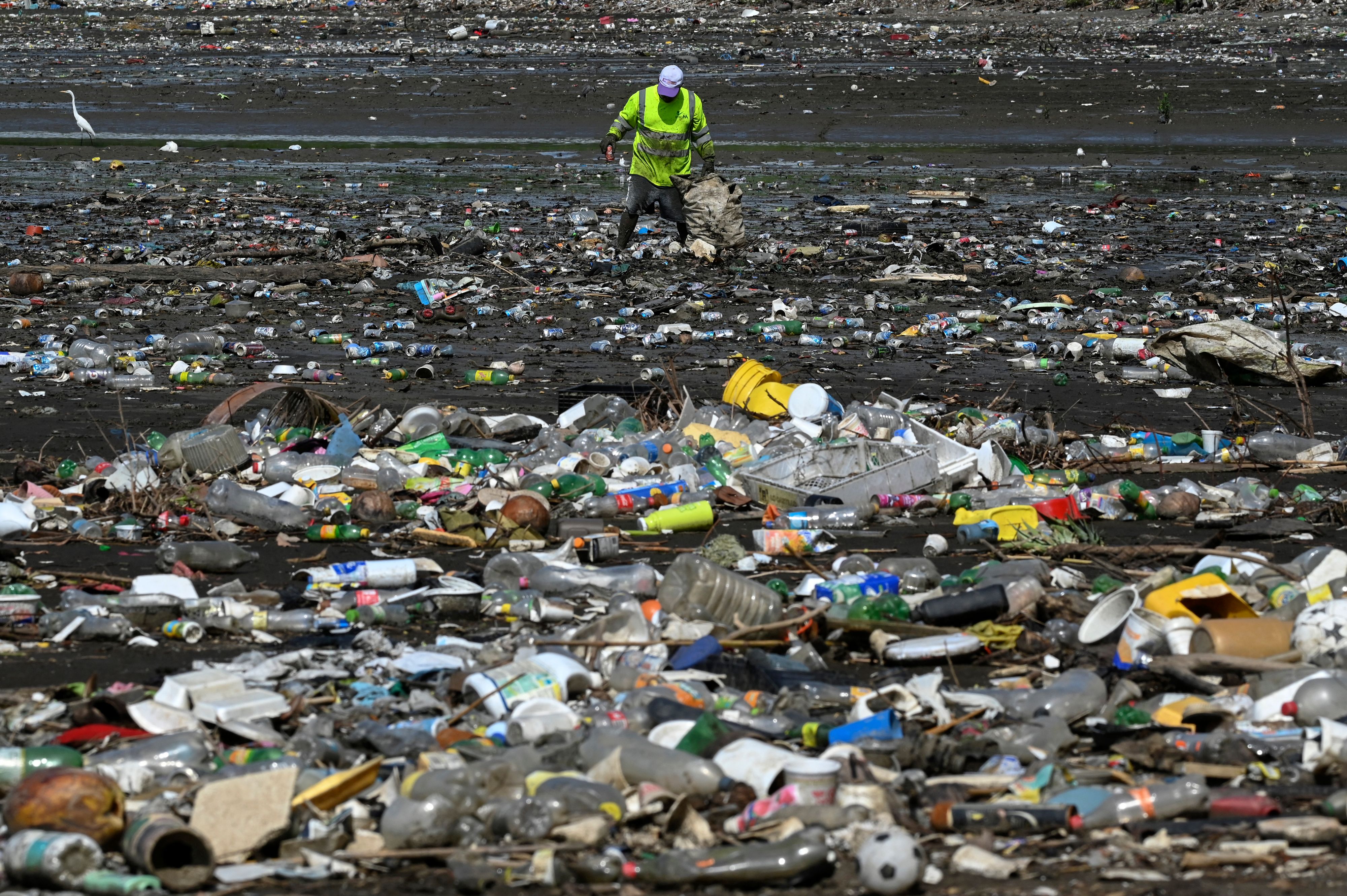

A recent comprehensive report has highlighted the staggering human and economic toll caused by plastic pollution worldwide, estimating that its impact amounts to approximately $1.5 trillion in deaths and injuries annually. This figure reflects the far-reaching consequences of plastic waste on public health, safety, and economic stability, drawing urgent attention to a growing global crisis.
Plastic substances, now found everywhere in today’s world, present both benefits and drawbacks. Although they provide ease, long-lasting use, and cost-effectiveness, their extensive use has resulted in vast ecological degradation and negative health impacts. The study highlights that plastic waste is not merely an environmental issue anymore—it plays a major role in causing human distress and substantial economic damage.
A critical aspect of the crisis involves the harmful consequences plastics have during their entire lifecycle—from production and use to disposal and degradation. In particular, the report identifies several pathways through which plastics contribute to injury and mortality, including chemical exposure, accidents related to plastic waste, and indirect effects on food security and disease transmission.
Chemical additives used in plastic manufacturing, such as phthalates and bisphenol A (BPA), have been linked to various health problems, including hormonal disruptions, developmental issues in children, and increased risks of chronic illnesses like cancer and cardiovascular disease. Workers involved in plastic production and recycling are especially vulnerable to these hazards due to occupational exposure.
The environmental persistence of plastics also contributes to widespread contamination of air, water, and soil. Microplastics—tiny fragments resulting from plastic breakdown—have been detected in drinking water, seafood, and even the air we breathe. Emerging research suggests that ingestion and inhalation of microplastics may pose health risks, though the full extent remains under investigation.
Beyond the chemical effects, plastic pollution causes physical harm and even deaths. Poor waste management leads to hazardous build-ups in both cities and the countryside. This can result in problems like flooding from blocked drains, landfill fires, and injuries from sharp plastic waste. In certain areas, stagnant water caught in the debris increases the risk of vector-borne diseases related to plastic for local communities.
Marine ecosystems bear significant damage from plastic debris, affecting fisheries and coastal livelihoods. The decline in fish stocks and contamination of seafood sources has repercussions for food security, particularly in low-income coastal communities heavily reliant on marine resources. Malnutrition and related health issues may rise as a result.
Economically, the $1.5 trillion estimate includes healthcare costs associated with plastic-related diseases, loss of productivity from illness and injury, expenses for waste management, and damage to industries such as tourism and fisheries. The burden falls disproportionately on developing countries, where infrastructure to manage plastic waste is often lacking, and healthcare systems face greater strain.
The report calls for urgent, coordinated action across governments, industries, and civil society to address the multifaceted plastic crisis. Strategies include reducing plastic production and consumption, investing in sustainable alternatives, improving waste collection and recycling infrastructure, and enhancing public education on plastic pollution’s health risks.
Regulatory measures like extended producer responsibility (EPR) programs, restrictions on disposable plastics, and controls on harmful chemical additives are suggested to reduce damage. Furthermore, progressing scientific studies on the health effects of plastics will aid in creating informed policies.
Global collaboration is essential, as plastic pollution crosses national boundaries via rivers and oceanic currents. Collaborative treaties and collective pledges can enhance initiatives to minimize plastic waste production and encourage advancements in sustainable materials.
The report highlights the importance of integrating health considerations into environmental policies, emphasizing that protecting human well-being and ecological integrity are deeply interconnected goals. Addressing the plastic crisis offers an opportunity to improve public health outcomes, promote economic resilience, and safeguard ecosystems for future generations.
As the global community contends with the growing issue of plastic waste, this fresh evaluation highlights the critical necessity of changing the way communities manufacture, utilize, and handle plastics. The repercussions of failing to act, which are quantified by lost lives and financial damage, are overwhelmingly significant.
Efforts to curb the plastic crisis will require sustained political will, cross-sector collaboration, and community engagement. By prioritizing sustainable solutions and embracing innovation, humanity can chart a path toward a healthier planet and a safer environment for all.


