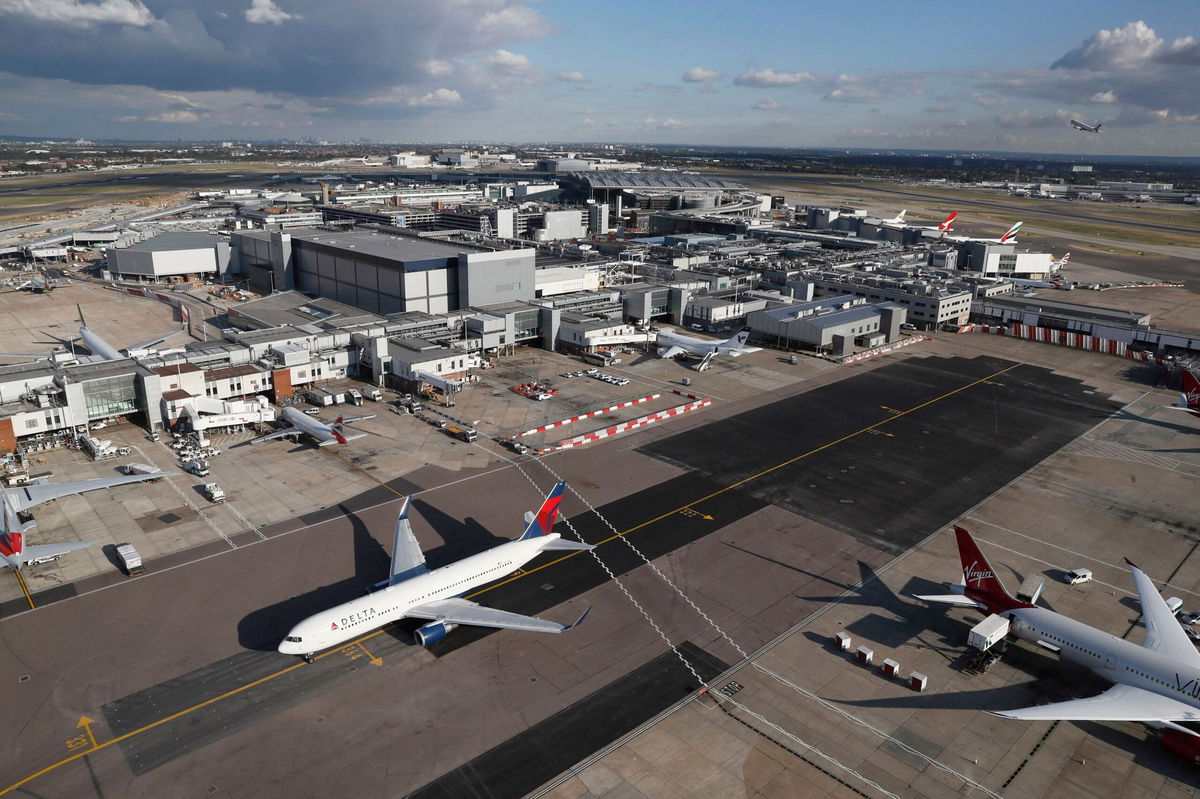

As the busy summer travel season unfolds, passengers passing through London’s Heathrow Airport could find themselves immersed in a new kind of welcome—one that speaks not through words but through music. This year, Heathrow is introducing an original audio experience designed specifically for its travelers, blending the worlds of travel, culture, and sound in a way that reflects both the airport’s identity and the dynamic nature of its millions of visitors.
The recently created musical work, considered a premier endeavour for an airport setting, is designed to improve the traveler experience by cultivating a cheerful and serene environment amid the lively activity of one of the busiest global transport centers. Instead of the typical assortment of departure announcements, loudspeaker messages, and background sounds that define most major airports, this musical initiative presents a more mindful and captivating option.
The initiative reflects a growing trend among airports worldwide to rethink the passenger journey and find new ways to improve comfort, reduce stress, and create memorable moments. Travel, while exciting, is often associated with stress and fatigue. From navigating security checks to dealing with flight delays, the airport experience can be overwhelming for many. Music, as studies have shown, has the power to influence mood, reduce anxiety, and even improve cognitive functioning, making it a natural fit for spaces like Heathrow.
The concept behind this innovative soundtrack was to craft a piece that represents the diversity and energy of Heathrow itself—a global crossroads where people from all walks of life, from all corners of the globe, converge and continue their journeys. Composers and sound designers involved in the project drew inspiration from the sounds of travel, the excitement of exploration, and the emotional highs and lows that accompany modern journeys.
The result is a carefully orchestrated soundscape that plays intermittently across selected areas of the airport. Rather than being intrusive or distracting, the composition is designed to blend seamlessly with the environment, offering subtle yet uplifting musical cues that enhance the space without overwhelming it. Passengers might notice the music as they move through terminals, wait at gates, or visit shops and cafes, experiencing an auditory backdrop that feels both calming and inspiring.
For Heathrow, this musical project transcends mere entertainment—it’s integral to their larger vision of positioning the airport as a destination in itself, not merely a hub for travel. Heathrow has continually aimed to harmonize efficiency with comfort, acknowledging that each traveler’s perception of their journey is heavily influenced by their experience in the airport, through which millions of passengers pass annually.
By implementing a distinctive audio identity, Heathrow aims to establish a unique atmosphere, similar to how remarkable architecture or art displays achieve this in other key airports. The intention is to ensure the airport leaves a lasting positive impression, providing travelers with an emotional connection, even during brief stops or hurried transitions.
The project also highlights how music can serve as a universal language in a space defined by diversity. At Heathrow, where travelers speak hundreds of languages and hail from vastly different cultures, music offers a way to create shared moments of calm and reflection. It is a way to make the enormous space feel more human, more connected, and more welcoming.
The compositions, though fresh and inventive, incorporate recognizable themes tied to journeys and mobility. Those listening may notice nuanced rhythms reminiscent of the sound of luggage wheels, the soft buzz of motors, or the excitement felt when boarding a flight. The music is vibrant and calm, providing a thoughtful juxtaposition to the typically fast-paced atmosphere found in airports.
Besides its emotional advantages, Heathrow’s musical experiment highlights the significance of sensory design in public environments. Sound has traditionally been a neglected factor in transport hubs, where the emphasis typically lies on visuals, signs, and structural design. By prioritizing auditory experiences, airports can affect people’s emotions, movement, and even their behavior within the area.
Integrating music at Heathrow is a component of a broader transformation within the air travel sector, focusing on cultivating “experience-oriented” settings. Airports are now vying not just on operational efficiency and connectivity, but also on enhancing the traveler experience. Features like art galleries, wellness centers, and now music, are becoming integral to the approach aimed at drawing in travelers and boosting satisfaction levels.
For travelers, especially those who frequent Heathrow regularly, the addition of a unique soundtrack may offer a pleasant surprise and a welcome change from the usual sensory overload. For first-time visitors, it may serve as an introduction to the airport’s identity—an invitation to relax and enjoy the journey ahead.
Heathrow’s musical project opens intriguing opportunities for the evolution of airport design and the traveler experience. Is it possible that customized sound environments will soon become standard in public areas? Could distinct terminals adopt unique musical signatures, representing various locales or cultural motifs? The capacity for sound to influence settings is immense, and Heathrow’s trial might lead to comparable initiatives in airports, train stations, and other transit locations globally.
The project comes at a time when the aviation industry is still navigating the aftermath of the global pandemic. With passenger volumes rebounding, airports are reevaluating every aspect of the travel experience. Health, comfort, and emotional well-being have taken on greater importance than ever before, and innovations like Heathrow’s musical addition are one way to address those evolving needs.
Individuals passing through Heathrow this summer might not identify the piece of music they hear, nor grasp its importance right away. Nevertheless, the effect, albeit minor, could enhance their overall experience at the airport. Even a slight boost in mood can influence long trips or tense stopovers.
For those interested in the creation of the track, behind-the-scenes glimpses into the process reveal a blend of traditional instrumentation, digital sound design, and field recordings from actual airport environments. The music was not composed in isolation but rather with careful consideration of the specific acoustics, ambient noise, and emotional landscape of an international airport setting.
The project also involved collaboration between sound artists, airport planners, and behavioral psychologists to ensure that the music achieves its intended effect without contributing to overstimulation. This interdisciplinary approach reflects a growing recognition that public spaces benefit from design strategies that take into account the full spectrum of human senses.
As the summer unfolds and travelers return to the skies in increasing numbers, Heathrow’s musical endeavor will quietly accompany them—offering, perhaps, a small but meaningful enhancement to the often hectic nature of air travel. Whether passengers are embarking on vacations, business trips, or returning home, the new soundtrack serves as a gentle reminder that the journey itself can be an experience worth savoring.
Looking forward, it will be fascinating to observe how this musical advancement is welcomed by the public and if it encourages other airports to emulate it. As the race for traveler contentment intensifies, initiatives to enhance transit areas by making them more pleasant, soothing, and unforgettable might emerge as a key trend in the upcoming phase of international air travel.
Currently, visitors traveling through Heathrow can appreciate a musical selection specifically created not only for listening but also to engage the hearts and minds of passengers—changing the airport from merely a transit point into an experiential environment.